Desert Biome
by Ziqing Li
the desert biome is a terrestrial biome, the driest of all biomes, and has very little rainfall all year round (it gets only 10% of the rain that rainforests do)
temperature in deserts can change drastically because the air is so dry that heat escapes quickly at night
Characteristics
hot and dry
less than 250 mm of precipitation each year
around 100.4°F during daytime/-39°F at night
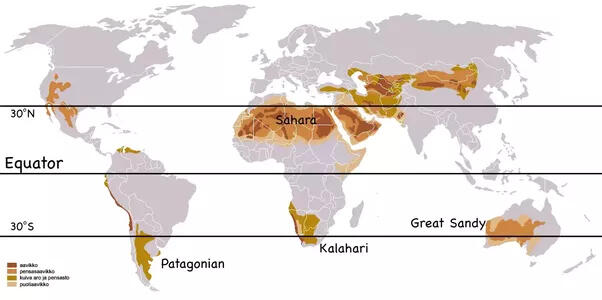
usually located between 15° and 35° latitude, 30° N/S equator
examples: the Mojave, Sonoran, Chihuahua, Great Basin (NA)
Sahara (Africa)
Negev (Middle East)
Gobi (Asia)
Weather
coastal deserts:
cool winters (41°F) and long, warm summers (between 55° and 75°F)
cold deserts:
long, cold winters (-5°F to -110°F) and short, warm summers (32°F)
Plants
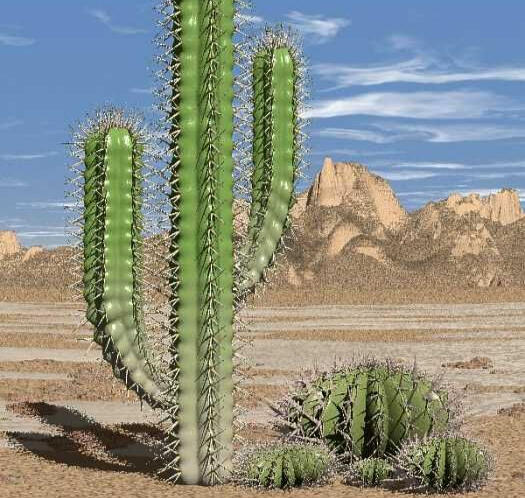
desert cactus (waxy coating + shallow widely spread roots to maximize water)
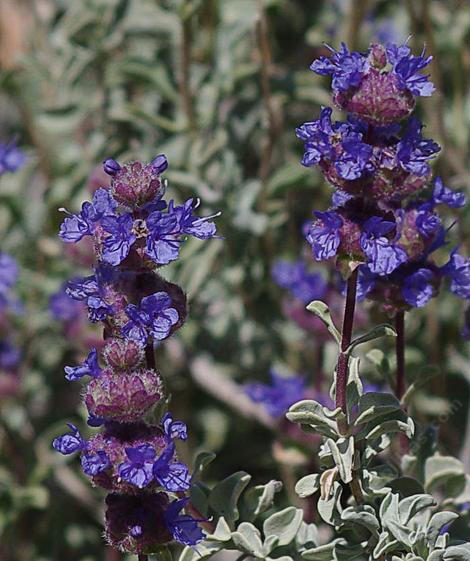
desert sage (doesn't need any water, horizontal roots)
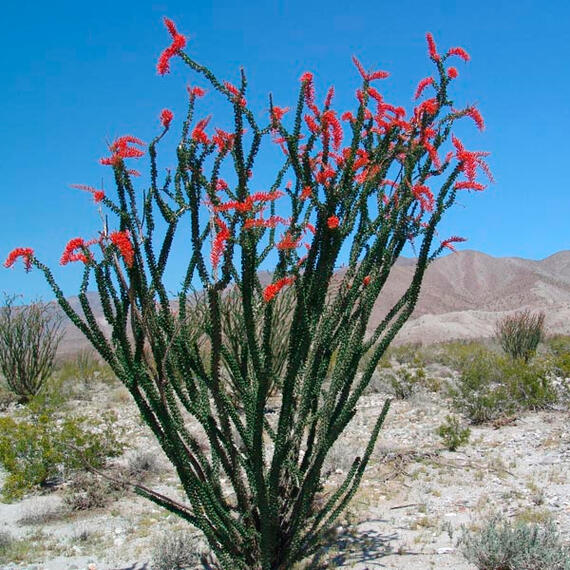
ocotillo (extensive root system that comes up to the surface to absorb water saturated in the ground)
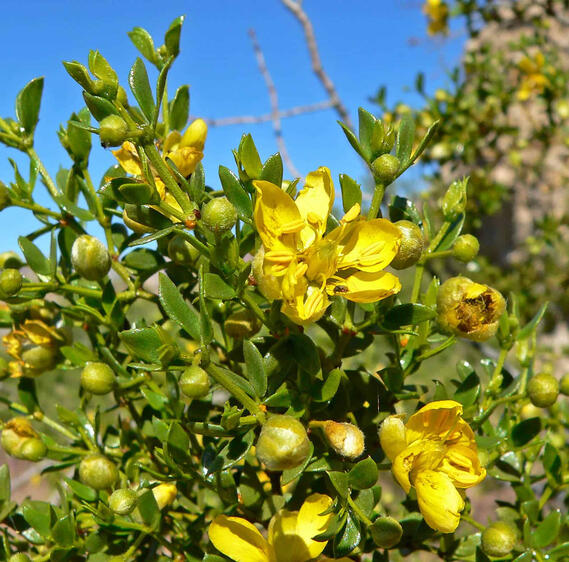
creosote bush (low surface area and small leaves, waxy coating, only photosynthesizes in the morning)
Animals
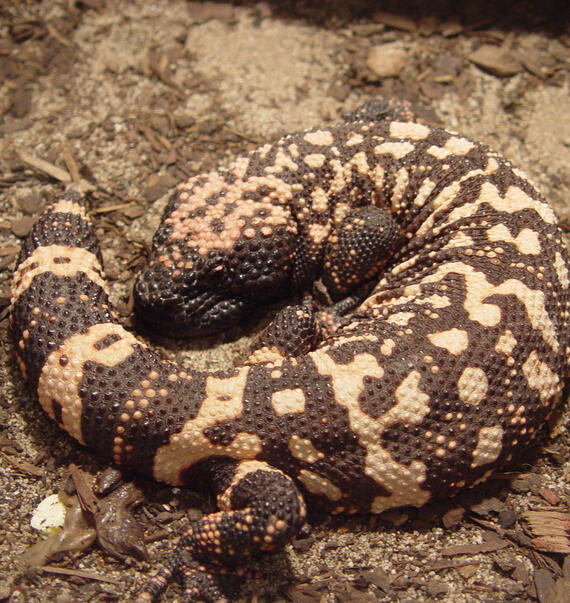
gila monster (stays cool underground and doesn't need to eat much because it stores fat in its tail)
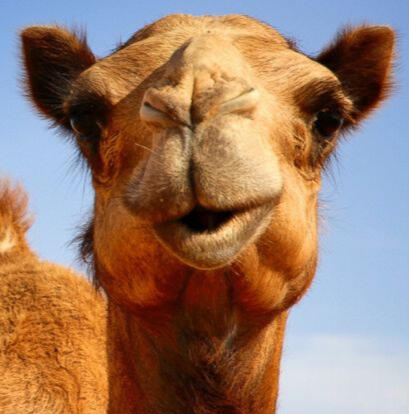
camel (humps store fat, thick hair in ears and eyelashes to keep sand out, closable nostrils, wide feet)
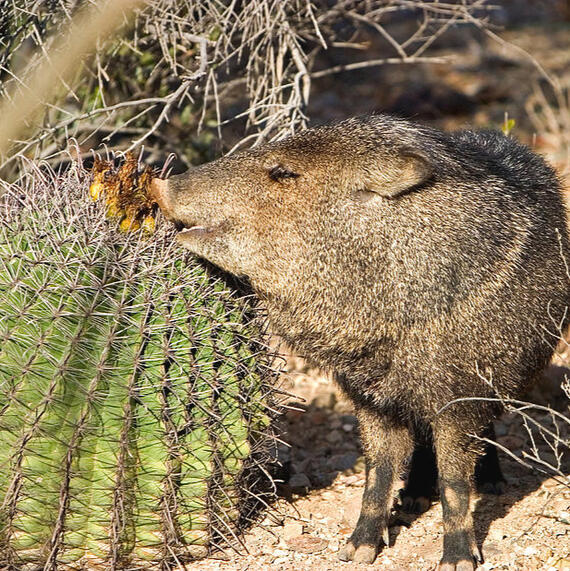
javelina/peccary (tough mouth and special digestive system allows it to eat cacti)
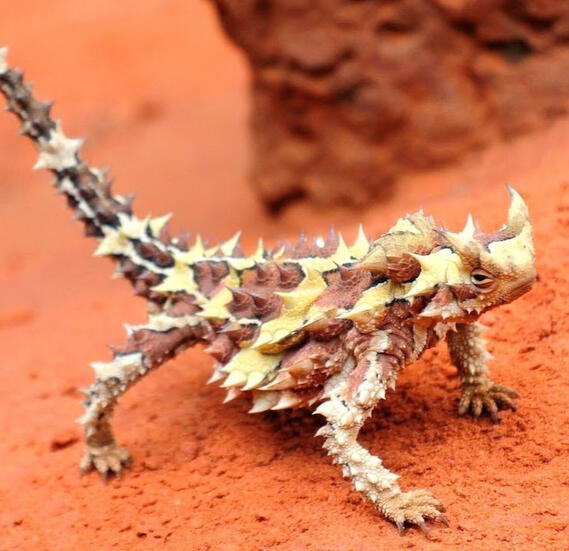
thorny devil (its skin can absorb water, channeling it down to its mouth)
Threats
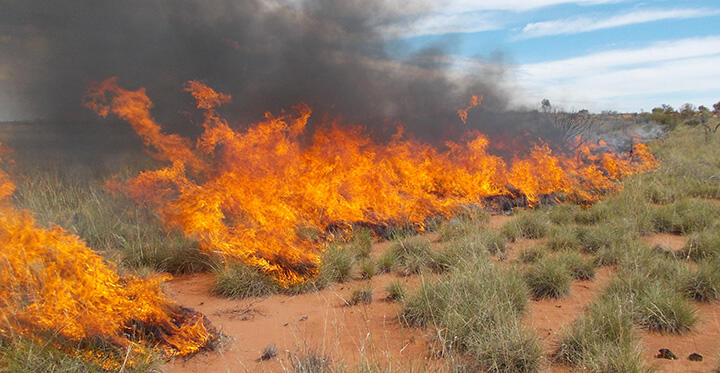
global warming:
deserts around the world have been warming at the rate of 1-2°F per year
higher temperatures mean a higher chance of wildfires that kill slow growing trees and small shrubs
increases drought, drying up waterholes for animals to drink
el nino and la nina:
extreme or repetitive patterns from these lead to changes to normal rainfall patterns, distrupting desert ecosystems
environmental degradation:
temperature or rainfall changes ⟶ roots crumbling away ⟶ erosion
agriculture using artificial fertilizers can change mineral property or soil chemistry
completely dry desert = inhospitable by anything
(ex: the Dust Bowl)
humans
expansion of cities and towns into desert biomes displaces animals and destroys plants, reducing their resources
Why Should Someone Visit a Desert?
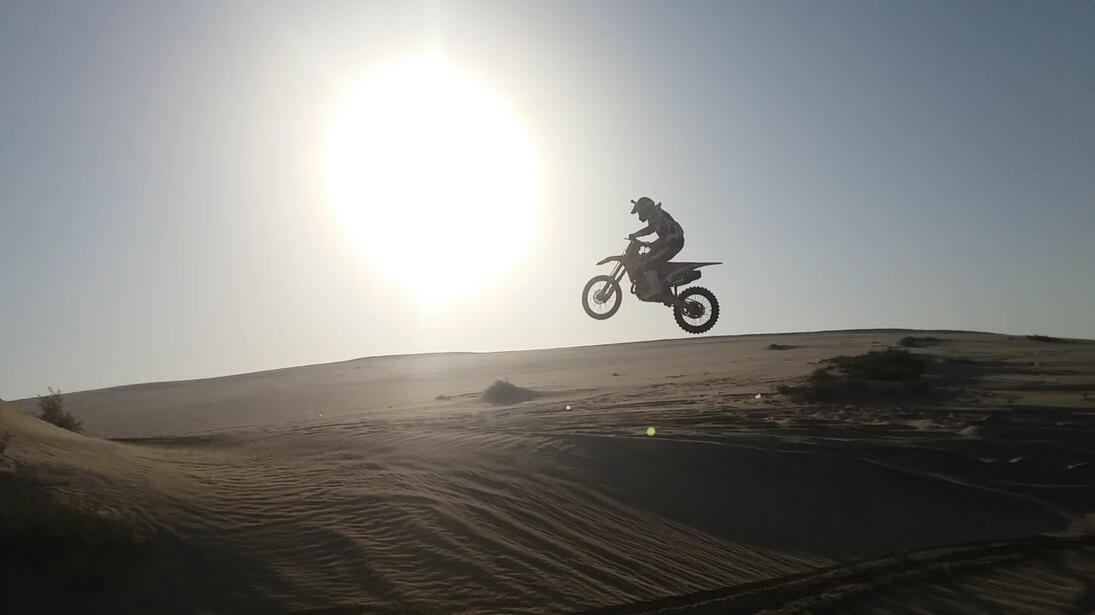
tourism and recreation (rock climbling, hiking, dirt biking)
quiet, away from cities and noise pollution
beautiful sunrise and sunset (perfect for photography)
https://www.conserve-energy-future.com/various-desert-plants.php
http://kids.nceas.ucsb.edu/biomes/desert.html
https://earthobservatory.nasa.gov/experiments/biome/biodesert.php
http://archive.bio.ed.ac.uk/jdeacon
https://education.seattlepi.com/ecological-problems-hazards-face-desert-4809.html/desertecology/creosote.htm#:~:targetText=Creosote%20bush%20is%20the%20most,perennial%20plant%20of%20North%20America.&targetText=The%20extreme%20drought%2Dtolerance%20of,and%20the%20high%20stomatal%20resistance.
https://www.nationalgeographic.com/environment/habitats/desert-threats/#:~:targetText=Threats,them%20with%20fast%2Dgrowing%20grasses.
https://www.thetravelmagazine.net/reasons-to-visit-sahara-desert.html